Lab Research
Engineering a CO2 adsorbent from everyday tea waste.
Research, Logistics Planning, Laboratory Synthesis
Ege University Laboratories
Achieved ~2.95 mmol/g CO2 Adsorption Capacity
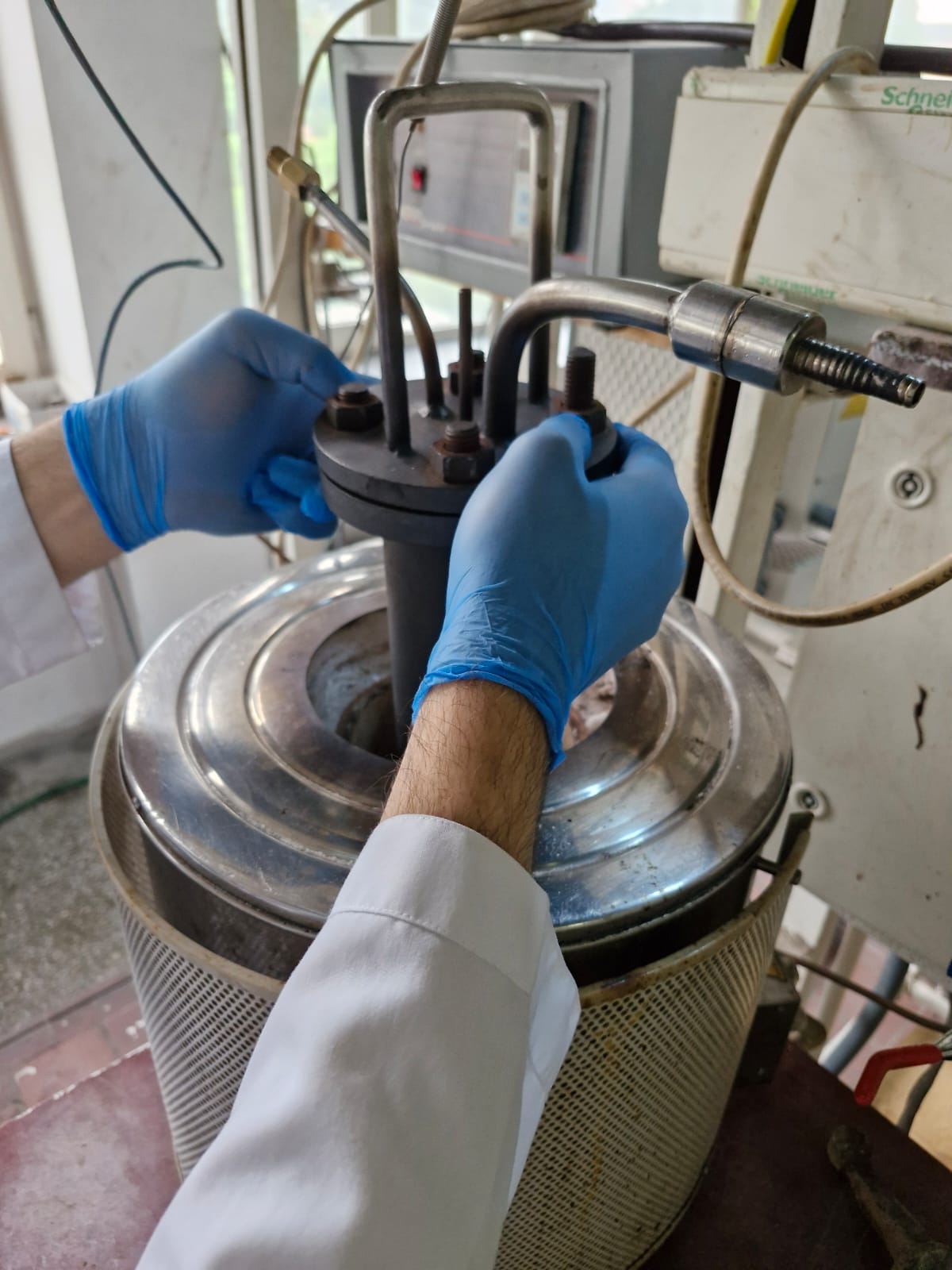
Placing the Reactor
Fossil fuels are pushing atmospheric CO2 to critical levels, accelerating global climate change. While Carbon Capture, Utilization, and Storage (CCUS) technologies exist today, they are heavily criticized for being too expensive, energy-intensive, and reliant on synthetic materials that carry their own heavy environmental footprints.
We needed a better, greener alternative. Instead of manufacturing complex chemical filters from scratch, we looked at what we throw away every single day. We found an incredible, untapped resource right in front of us: brewed tea leaves. Türkiye consumes a massive amount of tea, meaning this raw material is abundant, localized, and completely free. By utilizing an existing waste product, we avoid the carbon footprint of producing new raw materials, closing the loop in a true circular economy model.
A great lab idea fails immediately if you cannot acquire the materials sustainably. Before we put on our lab coats, my first major responsibility was designing the logistics plan.
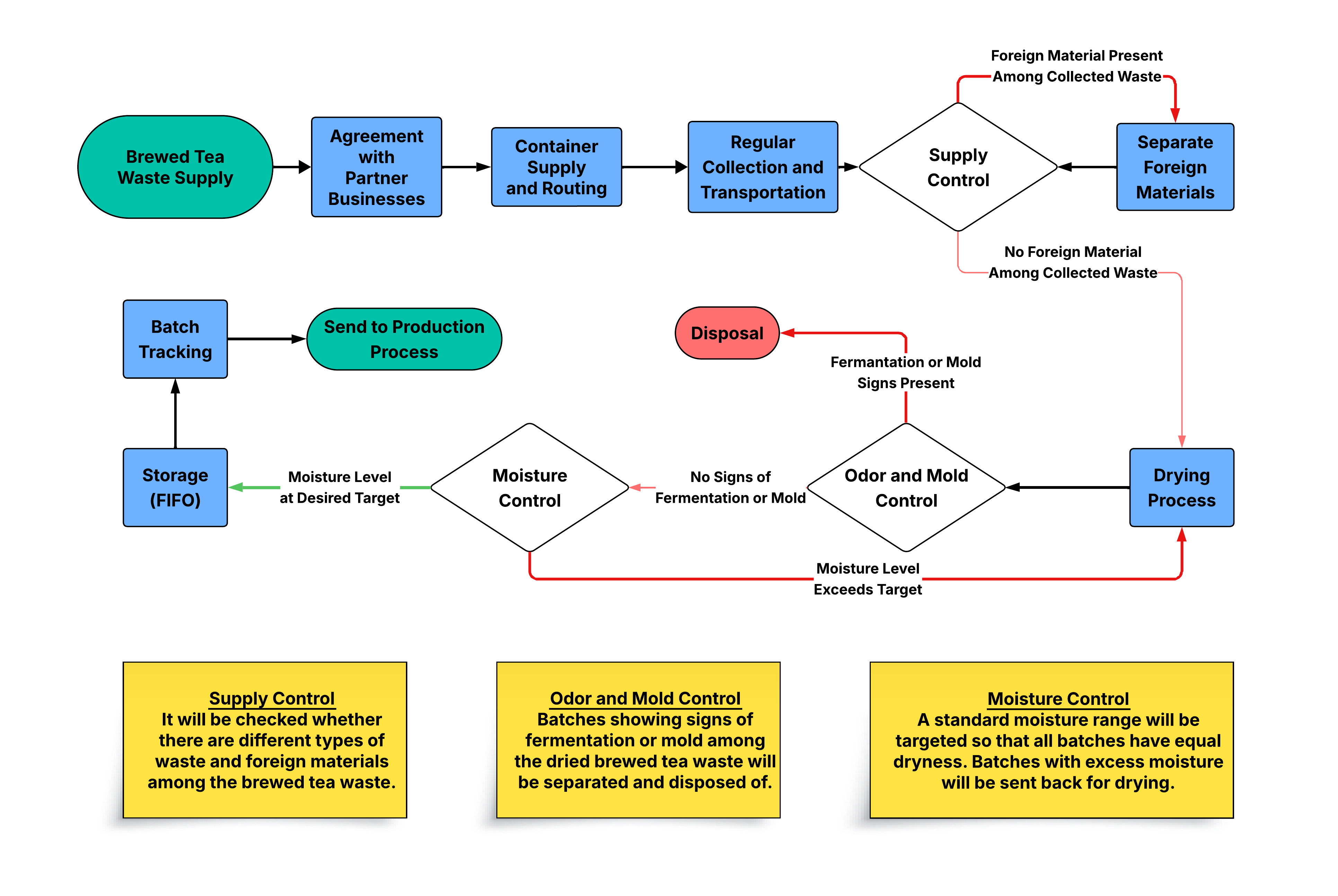
If our goal was to reduce carbon emissions, our collection method couldn't create a massive new carbon footprint of its own. I mapped out a localized supply chain framework, planning exactly how to source, transport, and store large volumes of wet, brewed tea waste from local consumers to the lab facilities efficiently and with minimal environmental impact.
Logistics FlowChart
Inside The Lab
Working alongside my lab partner, we didn't just mix chemicals; we engineered a highly porous matrix at the molecular level. Here is how we transformed organic garbage into a high-performance carbon sponge.
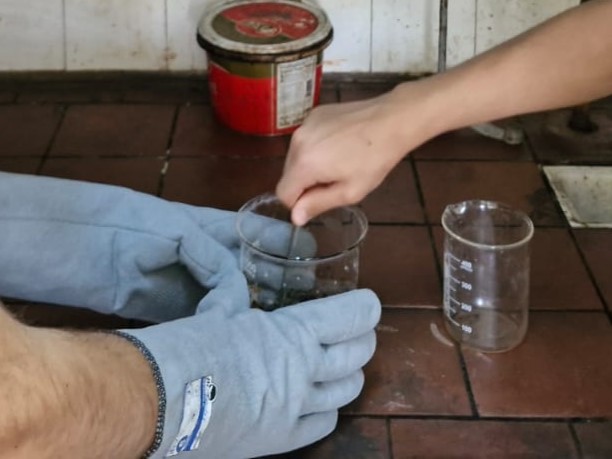
To create the microscopic pores necessary to trap gas molecules, we used a chemical activation agent. We mixed the dried tea with Potassium Hydroxide (KOH) at a strict 1:1 mass ratio.
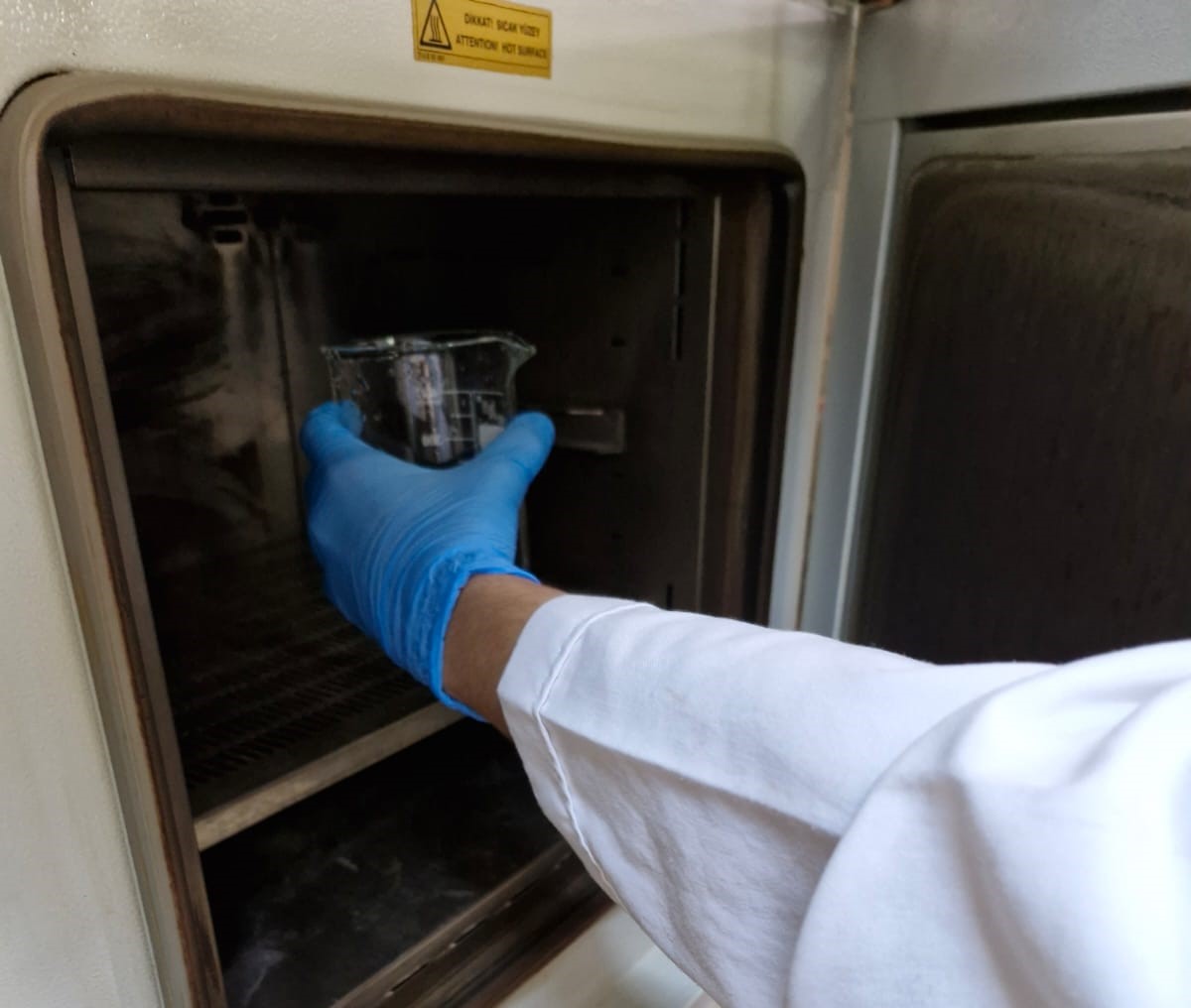
The activated tea waste contained soluble organics and excess moisture. We oven-dried the leaves to remove impurities, creating a highly stable and uniform dry biomass precursor.
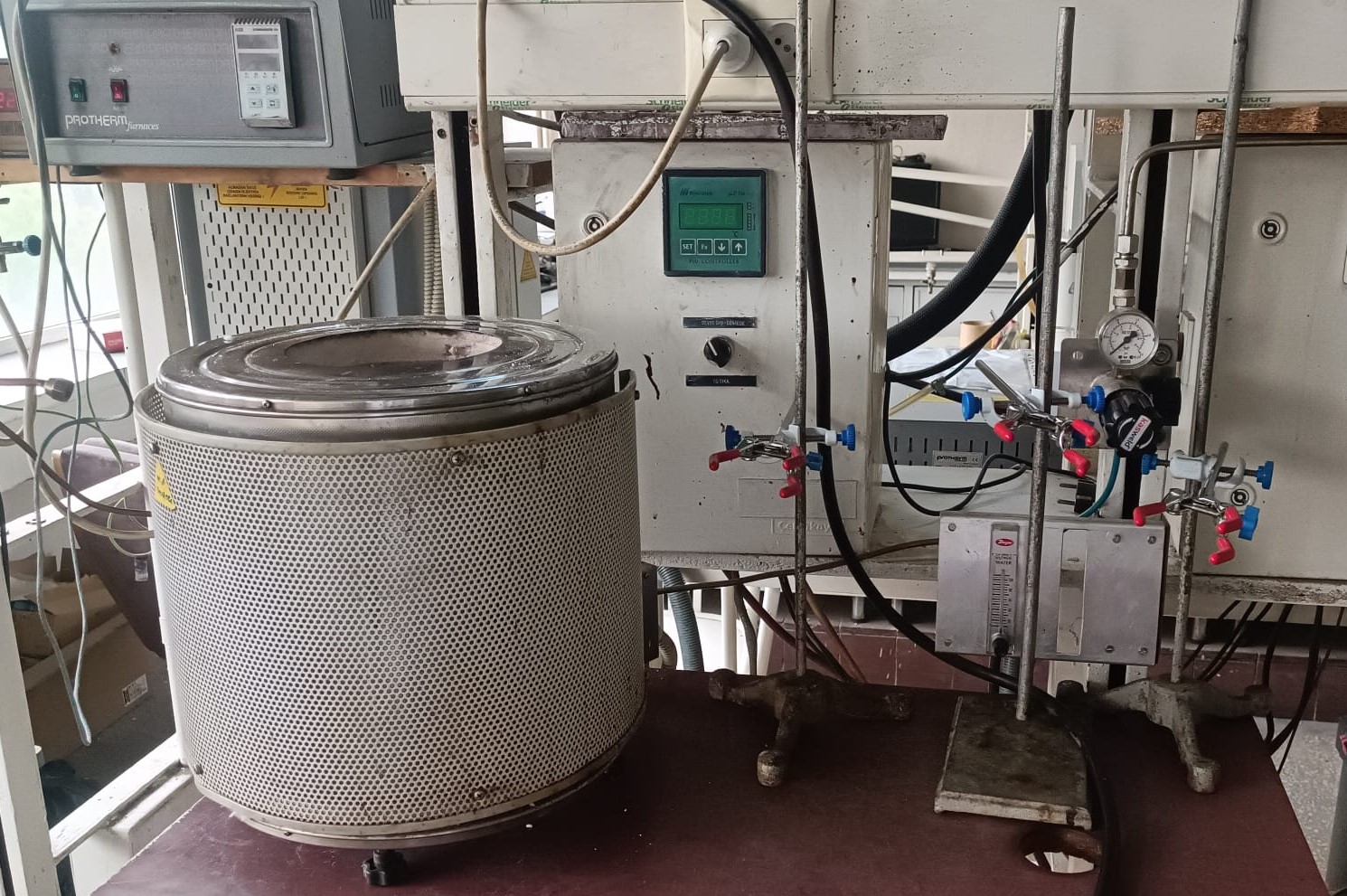
The mixture was placed into a furnace and subjected to 800°C. This extreme heat strips away non-carbon elements, leaving behind a highly porous, pure bio-carbon structure optimized for adsorption.
We didn't just make a adsorbent; we needed undeniable experimental proof. After the synthesis, we sent our samples for advanced structural characterization and gas adsorption testing. The results exceeded expectations.
Measured CO2 Adsorption Capacity
A highly competitive capture rate that delivers a superior adsorption capacity compared to many existing biomass-derived adsorbents.
Fourier-Transform Infrared (FTIR) analysis confirmed the successful decomposition of volatile organic groups (like -OH and C-H bonds). This indicated the formation of a highly stable, aromatic carbon framework with functional surface groups optimized to attract and bind CO2 molecules.
Thermogravimetric Analysis (TGA) demonstrated the material's exceptional thermal stability. The adsorbent showed minimal mass loss at standard operational temperatures, proving that it can withstand cyclic adsorption-desorption processes without structural degradation.