Student Engineering Community

EMT Projects

Electronics · Mechanics · Technology

"Curious to Learn. Determined to Build."

Founded in 2024 to spread basic engineering knowledge, making technical skills accessible through peer-to-peer education in my school.

Founder & Community Lead, CAD Instructor

50+

Students Reached

30+

Hours of Training

24+

Lectures Delivered

2

Academic Years
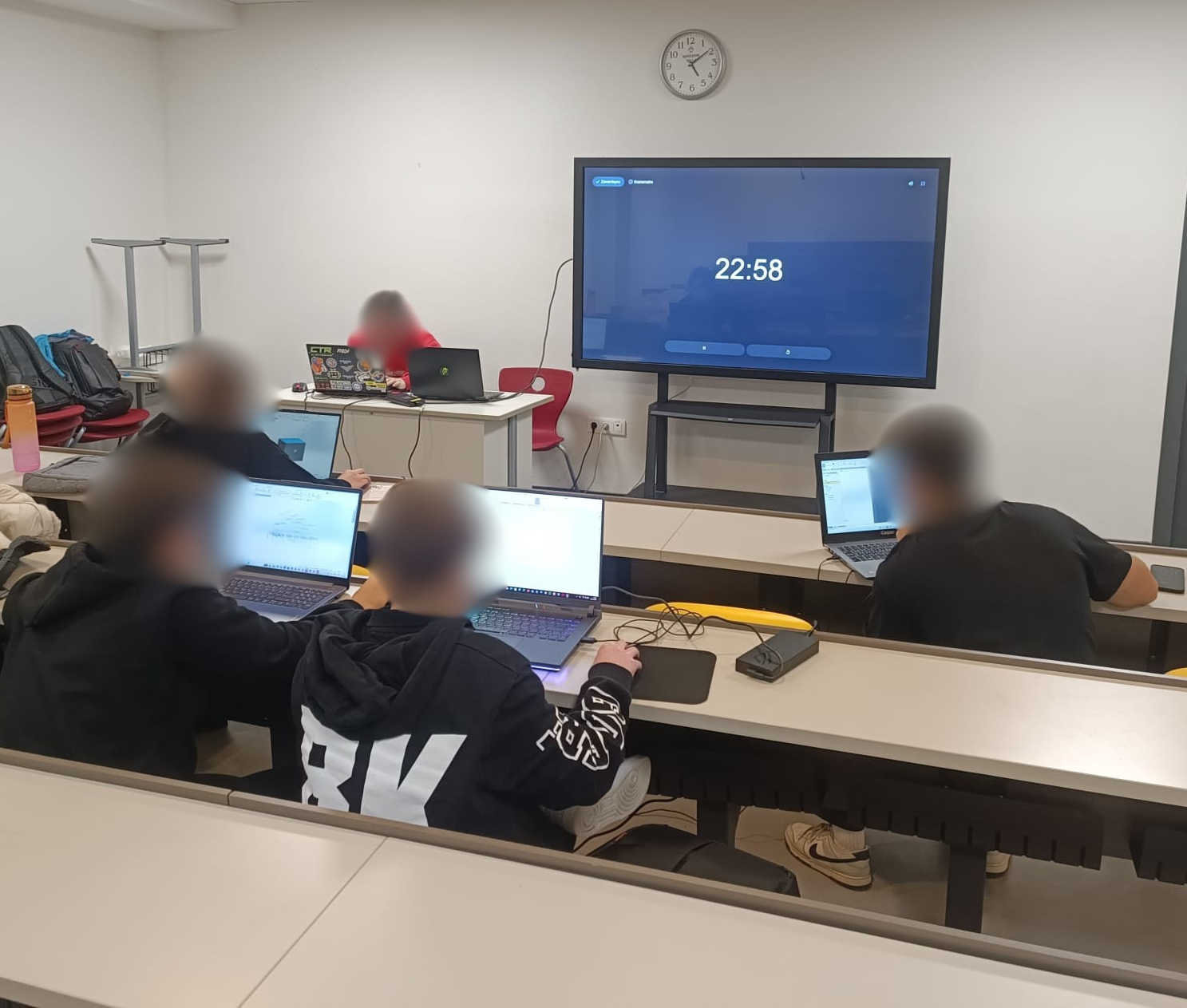
Emre teaching a class of engineering students

The Problem Space

Why I Founded EMT Projects

"

The Challenge of Isolation

During my early engineering journey, I realized a harsh truth: learning technical skills independently is incredibly difficult. Without a mentor or a peer group, getting stuck on a simple Arduino syntax error or a CAD constraint can stop progress for days, draining motivation.

"

The Power of Community

My perspective shifted entirely when I became part of communities like CicekliAI. I experienced the power of collaborative learning and peer support. I realized that sharing knowledge does not just help others; it solidifies your own understanding.

I founded EMT Projects to build that exact environment for basic engineering.
My goal was to teach the knowledge I had gained, helping students build confidence alongside practical skills.

The Architecture of Learning

Designing the Curriculum

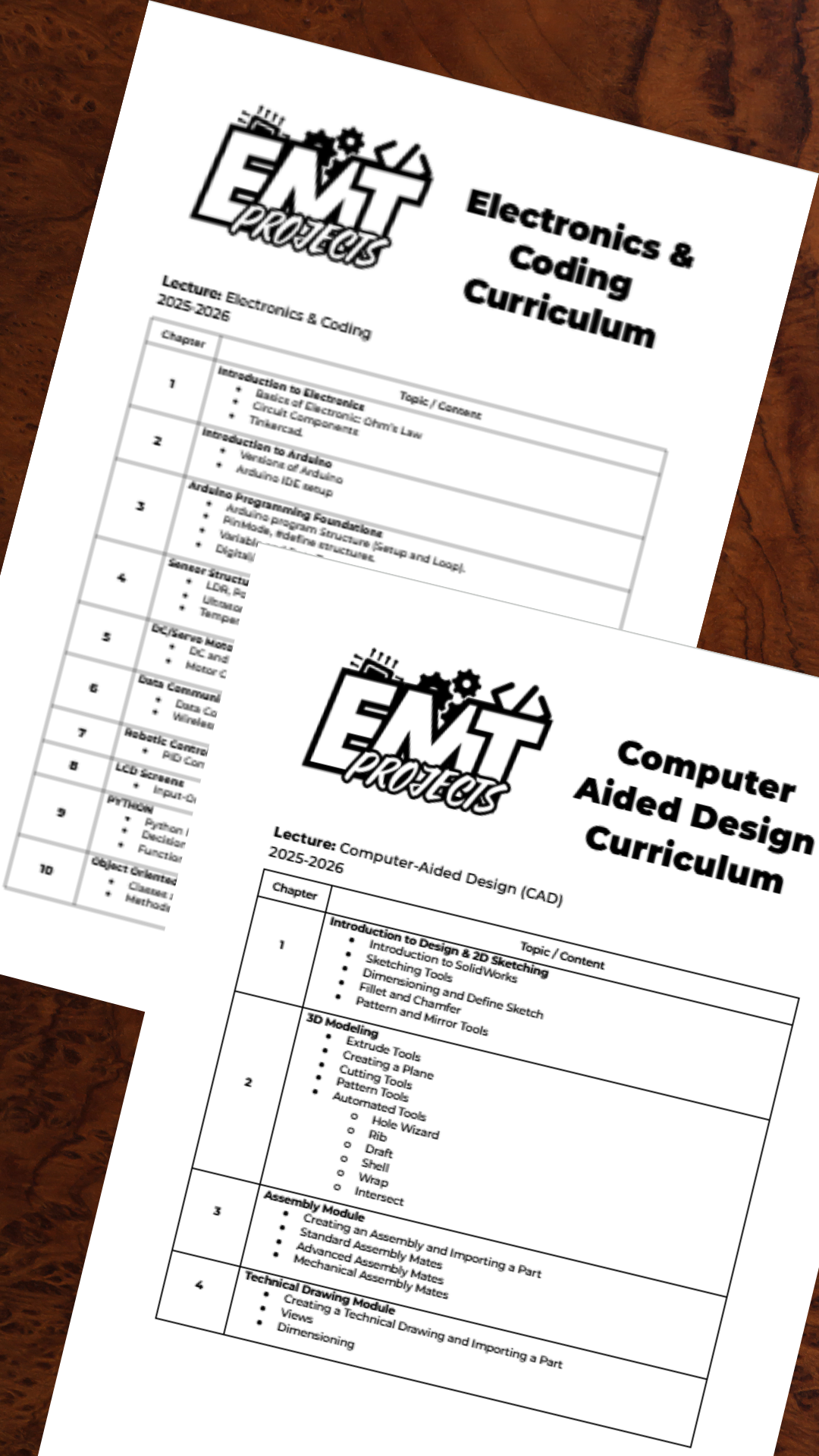
Rather than random workshops, we structured a comprehensive curriculum designed to take students from abstract concepts to physical creation. The syllabus was divided into two core pillars of modern engineering.

Computer-Aided Design (CAD)

  • Introduction to Design Principles
  • 2D Sketching & Constraints
  • 3D Modeling Techniques
  • Assembly Module & Mechanisms
  • Technical Drawing & Documentation

Electronics & Coding

  • Introduction to Electronics
  • Arduino Fundamentals & Programming
  • Sensor Integration & Motor Systems
  • Data Communication & IoT Basics
  • Robotic Control Systems
  • LCD Displays & Data Output
  • Python Programming Basics

Behind the Scenes

Organizing & Leading

Running EMT Projects was fundamentally a management and leadership challenge. Teaching the curriculum was only the final step of a much deeper operational process.

Curriculum & Material Preparation

Simplifying complex engineering concepts into digestible, chronological lesson plans required deep understanding of the subject matter.

Team & Communication Management

Coordinating operations meant setting schedules, reserving spaces, maintaining continuous communication with community members, and ensuring everyone was aligned and informed.

Adaptive Delivery & Mentorship

Standing in front of a classroom forces you to adapt. I learned to read the room, adjust my pacing, and transition from a "lecturer" to a mentor who guides students through their own hands-on project development.

Organizing curriculum and leading a team discussion

Operational Reality

True impact happens in the preparation hours before the lecture begins.

The Growth

Key Takeaways

How leading EMT Projects shaped me as an engineer and an individual.

Leadership & Initiative

Moving from a passive learner to an active creator. I learned how to build something from nothing and rally others around a shared vision.

Effective Communication

Mastering the ability to explain complex technical concepts simply. If you cannot explain a design to a beginner, you do not truly understand it.

STEM Mentoring & Teaching

Developing patience, empathy, and diagnostic skills to help peers overcome technical roadblocks without simply giving them the answer.

Project Management

Executing a 2-year initiative required strict time management, resource allocation, and maintaining momentum across long academic semesters.